














Every person experiences stress and mental health strains, whether it be an extreme crisis or simple stress over an important interview. Yet, not everyone knows how to deal with their stress and struggles. One of the simplest ways of healing comes through immersion in the arts.
Music and art have been used as a healing tool for decades and have come to play a large part in modern medicine. Creative art therapy, as stated by Mayo Clinic, is “a licensed professional engaging a patient in arts to address a specific condition or health goal.” These therapies provide safe, stable environments in which patients can thoroughly and efficiently express themselves. Common forms of art therapy include music, dance, writing, storytelling, collage-making, and painting. All of these activities spark creativity and allow patients a catalyst for emotional expression.
Various forms of artistic expression increase motivation, while also reducing anxiety and blood pressure simultaneously. The arts foster new, hopeful thinking and increase serotonin. Participation in the arts can also increase blood flow to the part of the brain associated with pleasure, the orbitofrontal cortex. Other mental health benefits include improved well-being, quality of life, interpersonal relationships, and emotional resilience.
However, the arts not only benefit mental health, but also one’s physical well-being. Creative art therapies are also often used to prevent diseases, treat cancer, and assist in stroke recovery. Additionally, music has been linked to the health of one’s immune system. The human immune system is directly linked with mood, psychological condition, and hormonal balance — all of which are affected by the arts. According to the National Library of Medicine, “studies have confirmed the effect of music on the reduction of stress responses in the cardiovascular and endocrine systems.”
The benefits of music reach even further, reducing anxiety, lessening agitation for adults with dementia, and helping parents bond with their babies. The National Library of Medicine further states, “Music can have unique motivation, relationship-building, and emotionally expressive qualities.” That said, the music a person chooses to listen to can also have varying effects, as studies show that men shown songs with misogynistic lyrics are more aggressive towards women, and women shown man-hating music are more likely to think negatively of men.
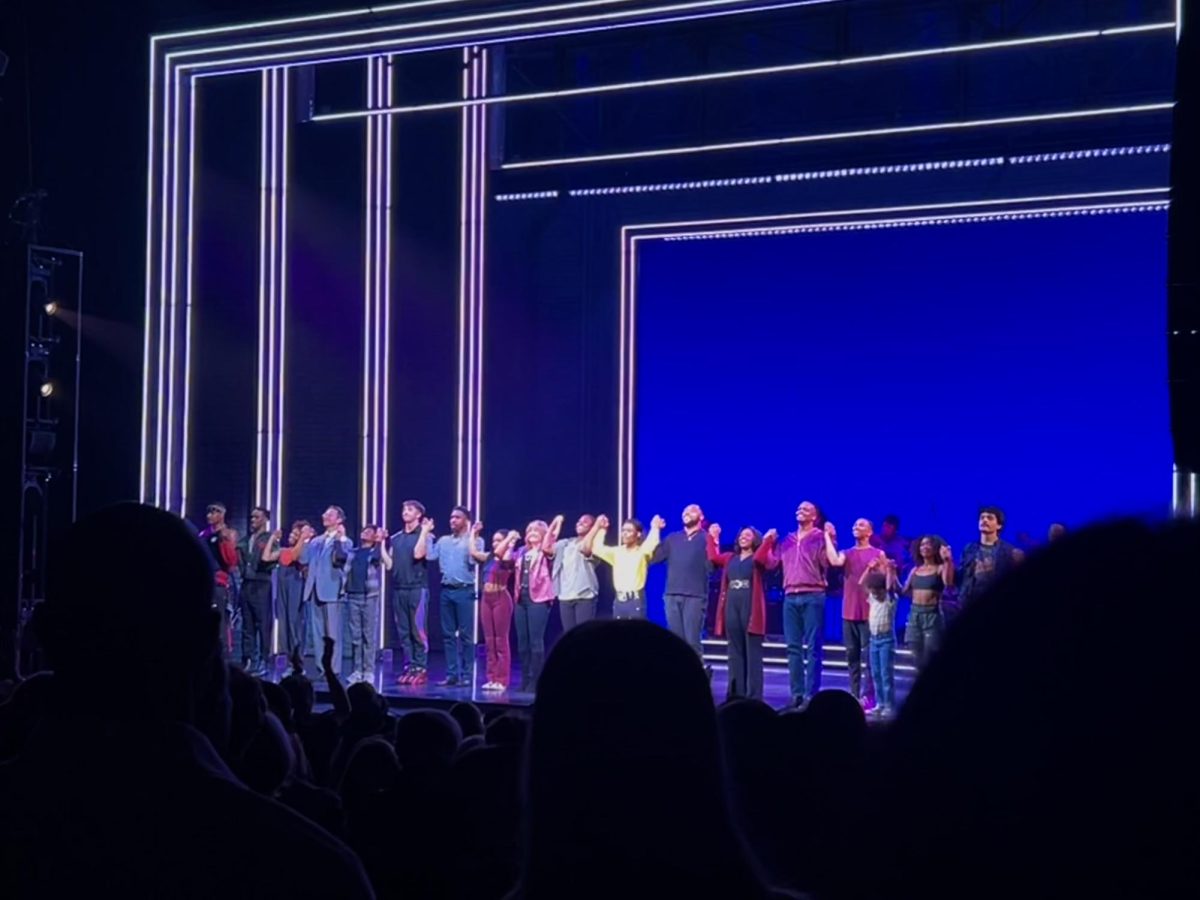
Similar to music, live theater can also improve moods, increase optimism, and provide emotional outlets. As actors step into another person’s life story for a few hours, they grow in empathy, learning new perspectives. The Debartolo Performing Arts Center shares that theater acts as “both a source of inspiration and a catalyst for imaginative thinking.”
As one of the most immersive art forms, theater allows both the actors and audience to tune out the noise of everyday life and, as written by the Debartolo Performing Arts Center, “be swept into stories happening just a few feet away.”
Though the arts are used in medicinal practices, their effects remain when one participates recreationally. Cathedral Catholic’s visual and performing arts programs provide a safe space for students to explore artistic endeavors. Ms. Rybicki, an art teacher at CCHS, shares how art has benefitted her students, “Art communicates in a different way than verbal language.” She states, “There is no correct or right answer. It’s all about, you know, exploring the process and interpreting things from your own experience.”
The VAPA programs at CCHS are wonderful places for people to express themselves and relieve their stress. “Being able to have this environment to encourage them and just create this community of people that are creative and caring and wonderful. It’s really special and awesome,” shares Ms. Rybicki. Whether getting involved in music programs, visual arts, or theater, CCHS students can find stress relief throughout their lives and education.