









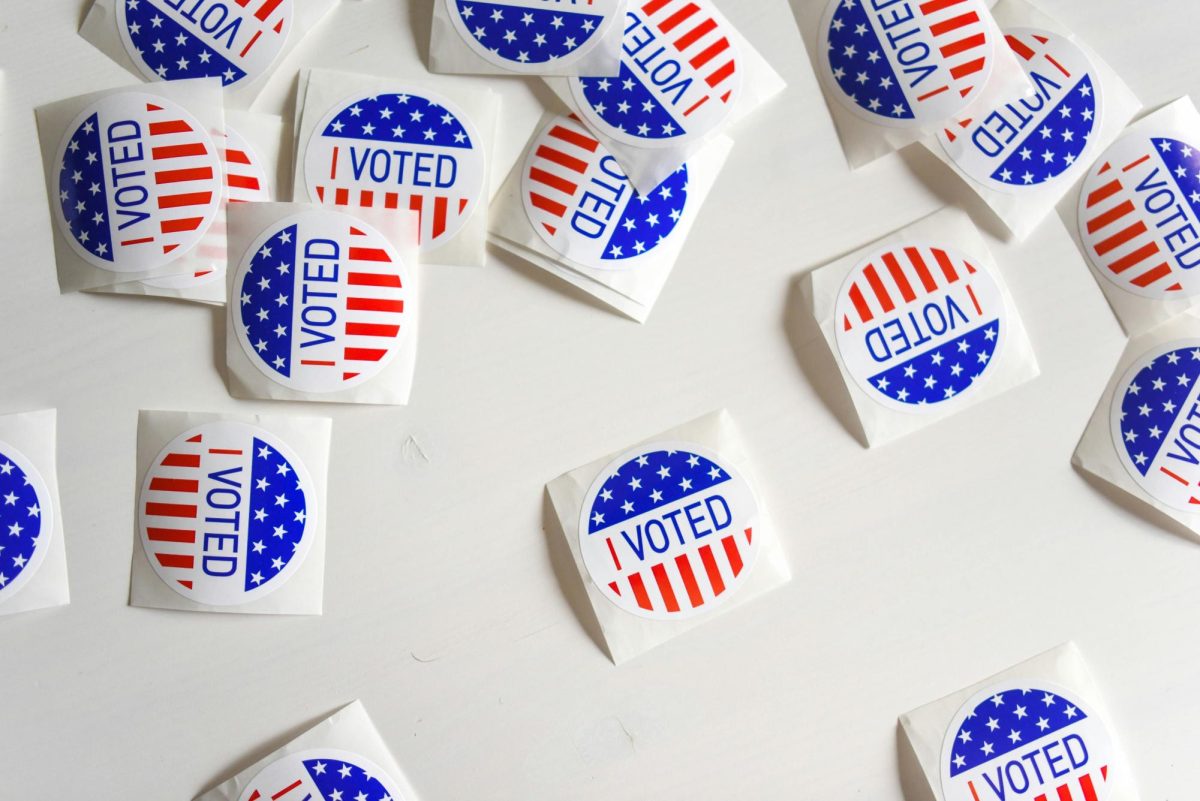











If there’s one feeling many young adults share, it’s the sense that the future is being shaped beyond our control. Older generations are always telling us, “It’s up to you to fix our mistakes,” which can feel overwhelming, if not impossible. From climate change and global warming to gun violence and rising college debt, it can often feel like young adults’ top concerns are put on the back burner as current politicians focus on immediate needs, not future concerns. As the class of 2026 steps into the real world, voting can play a crucial role in shaping our society and setting up future generations for success.
Impacts Our Immediate Future
Voting has a massive impact on Gen Z because we are currently stepping into adulthood and the workforce, which means that laws and policies will undeniably impact our daily lives.
One such aspect that can be directly influenced by voting is higher education, also known as college. We now have the power to decide how higher education is facilitated, whether that be lowering the average student debt, or improving opportunities for underprivileged students to attend college.
Another aspect we now have influence over is jobs and the economy. We now have the ability to impact policies on minimum wage, job opportunities, and economic growth. These decisions will help shape the kinds of jobs available to us in the future and possibly improve the current state of our economy.
A similar aspect of government we now influence is climate change policy. It often seems like current politicians are more concerned with their immediate desires and forget about the toll that their actions have on the environment. We now have the ability to prioritize laws that can reverse some of the damage done by climate change and protect our planet for generations to come.
Protects Different Perspectives
Tufts’ Center for Information and Research on Civic Learning and Engagement found that today’s young voters are the most diverse in American history and the most diverse group in our electorate. Because our generation is so diverse, we have the ability to propose innovative ideas and policies that will improve our democracy and prioritize cooperation and collaboration.
According to the University of Connecticut, “Because young people are underrepresented at the polls and among elected officials, issues and programs important to young people do not receive attention or resources from politicians.” As more young people become able to vote, Gen Z now has a direct connection to the government which allows us to push our most pressing issues to the forefront of policymaking, whether that be gun reform, the economy, education, or racism.
How to Register
The easiest way for young adults to register is online through the official California voter registration site. In order to register, you will need to provide a valid Driver’s License or California ID, your date of birth, and your address. And that’s it: it will only take a few minutes but can be so impactful.
How to Stay Educated
It’s important to know the difference between the two main types of elections: primary and general elections. In general elections, you vote for federal, state, and local officials. “Elected federal officials are U.S. Senators and U.S. Representatives to Congress, elected state officials are Governor, Lieutenant Governor, General Assembly, Attorney General, Auditor General, and State Treasurer, and elected local officials are county and city officials, judges and magisterial district judges,” according to the US Vote Foundation. In primary elections, a party selects a candidate for a general election. This means that you vote for a candidate that will be on the general election ballot.
The most important thing to remember when learning about the different candidates on a ballot is this: only find information from unbiased sources. It is easy to be persuaded by propaganda-type media that is not factual, and based on emotion, not logic. When researching the many candidates, stick to unbiased news sources that simply provide an overview of the candidates goals, political ideology, and previous credibility.
